Serum, Cream or Balm: Pick a Texture for the Job
Choose a serum, cream or balm by feel, routine position and the finish you want, so each texture has a clear job in your daily skincare routine.
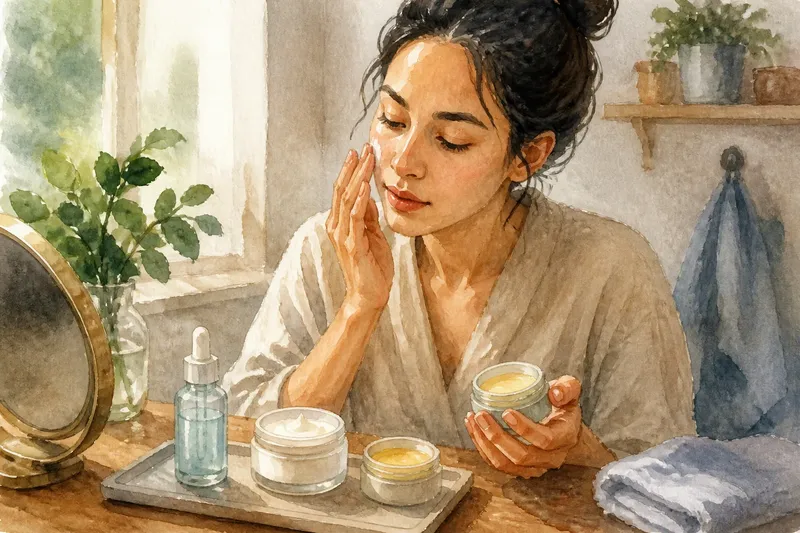
Choosing between serum, cream and balm gets easier when you start with the feel you want, not the product’s promise. A serum, cream or balm can each suit a different place in a skincare routine: a light layer, a more substantial moisturising step or a rich coating that stays close to the skin.
These names describe broad formats, not a ranking from basic to advanced. Use them to narrow your options, then consider how a product spreads, settles and sits with the other layers you already use.
What do serum, cream and balm feel like?
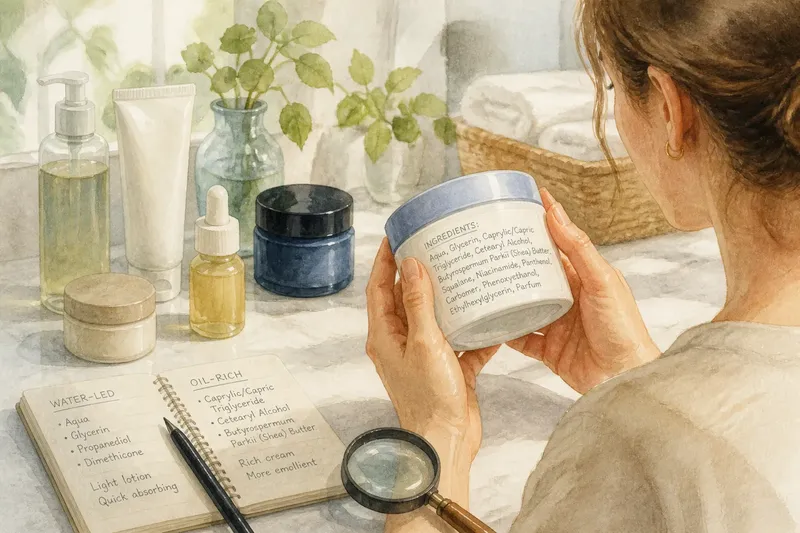
A serum is usually fluid, light and easy to spread in a thin layer. It may feel watery, slippery or slightly gel-like, so “serum” alone does not tell you exactly how quickly it will absorb or what finish it will leave.
A cream is generally thicker and more cushioned. It often gives a more substantial moisturising feel than a serum, though creams can range from light lotions to dense, rich formulas.
A balm is usually the richest-feeling option of the three: thick, waxy or oily, and designed to leave a noticeable coating. Some balms soften with warmth and spread more easily once they meet the skin.
Think in terms of texture families, not rigid definitions. A gel serum may feel lighter than a rich cream, while a balm may be formulated to feel less heavy than its name suggests.
What do you want the layer to do?
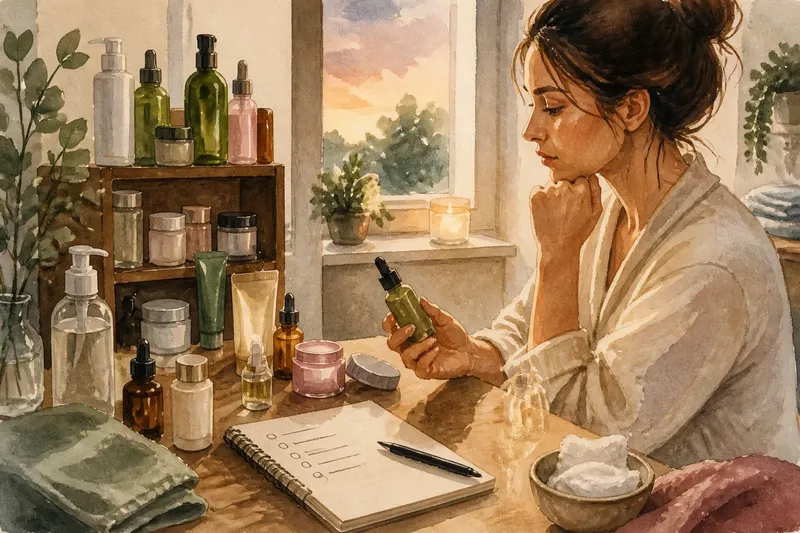
Before shopping, name the practical job you want the product to perform. Are you looking for a thin layer that fits neatly under other products, a comfortable moisturising layer, or a richer finish that helps reduce the feeling of dryness?
- Choose a serum when you prefer a light, spreadable layer or want a product that can sit beneath a cream.
- Choose a cream when you want a more cushioned feel and a moisturising step that can stand on its own in your routine.
- Choose a balm when a dense, lingering finish suits the area or the sensation you want.
These are starting points, not rules about skin types. The right choice depends on the formula, the amount you use, the climate and what feels comfortable to you.
Where will it sit in your routine?
Order products by how they spread, rather than assuming every serum must go first and every balm must go last. A thin, watery layer commonly goes beneath a richer cream, because it is easier to apply a fluid product before a dense one.
If you use a balm, consider whether you want it over another moisturising layer or only on a particular area. A heavy coating can change how a lighter product feels underneath, and some people prefer to keep that richer texture to a small part of the face or to hands and lips.
Imagine you already use a light serum and want a more comfortable feel on dry-feeling cheeks. You could try adding a cream over the serum on those areas, then notice whether the finish feels comfortable through your routine; if it feels too rich, use less or leave the serum as the only layer there.
Make one texture decision at a time. If you add several unfamiliar products together, it becomes harder to tell which feel you like or which layer is not working with the rest.
How can you compare products at the shelf?
Use the product description and the texture you can observe to form a shortlist. If testers are available and suitable for use, a small amount on the back of your hand can help you compare spread, slip and residue; it cannot tell you how the product will feel on your face.
- Set your preferred finish. Decide whether you want a barely-there layer, a soft moisturised feel or a richer coating.
- Check the format. Look for serum, cream or balm, while remembering that brands may use those terms for varied textures.
- Read the directions. Note whether the product is intended for the face, a particular area or a specific point in a routine.
- Consider what goes around it. Think about whether it needs to layer over or under products you already use.
- Start with a modest amount. Spreadability and residue are easier to judge when you do not apply more than you need.
Follow the label and manufacturer’s directions, particularly for where and how the product is intended to be used. For an ongoing skin concern, a qualified health professional can offer advice suited to you.
Which texture suits common situations?
Under several other layers: A fluid serum may feel less cumbersome than a balm. If you prefer a cream, choose a texture that spreads comfortably without leaving a finish you dislike.
For a comfortable moisturising step: A cream is a useful middle ground when a serum feels too slight and a balm feels too coating. The range of cream textures means you can look for one that feels light or rich to suit your preference.
For a localised, rich finish: A balm can make sense on an area where you welcome a thicker feel. You do not need to use it across the whole face just because the package presents it as a face product.
For warm or humid conditions: A lighter-feeling product may be more comfortable, but personal preference matters more than a seasonal rule. Try adjusting the amount or limiting a richer texture to the areas that feel dry.
What should you know about these textures?
Is serum always lighter than cream?
Not always. “Serum” covers a range of consistencies, and a gel-like serum may feel more substantial than a light cream. Compare the product’s stated texture and finish rather than relying on the name alone.
Can you use cream without serum?
Yes. A cream can be the only moisturising layer in a routine if that is the texture and finish you prefer. Serum is an option, not a required preliminary step.
Does balm have to go last?
No universal order applies to every formula, but a balm’s rich coating may sit more comfortably over lighter layers. Follow the product directions and pay attention to whether the combination feels pleasant to wear.
Can you use a balm on your whole face?
That depends on the product directions and your comfort with a dense finish. Some people prefer a balm only on selected areas, while others may enjoy its feel more broadly.
How do you settle on the right format?
Return to the job you named at the start: a light layer, a cushioned moisturising step or a rich coating. Compare products by their actual feel and how they fit beside the products you already use, not by which format sounds more advanced.
If the choice still feels close, begin with the texture you are most likely to enjoy using consistently. A serum, cream or balm is the better fit when its finish suits your routine and you have a clear reason to reach for it.